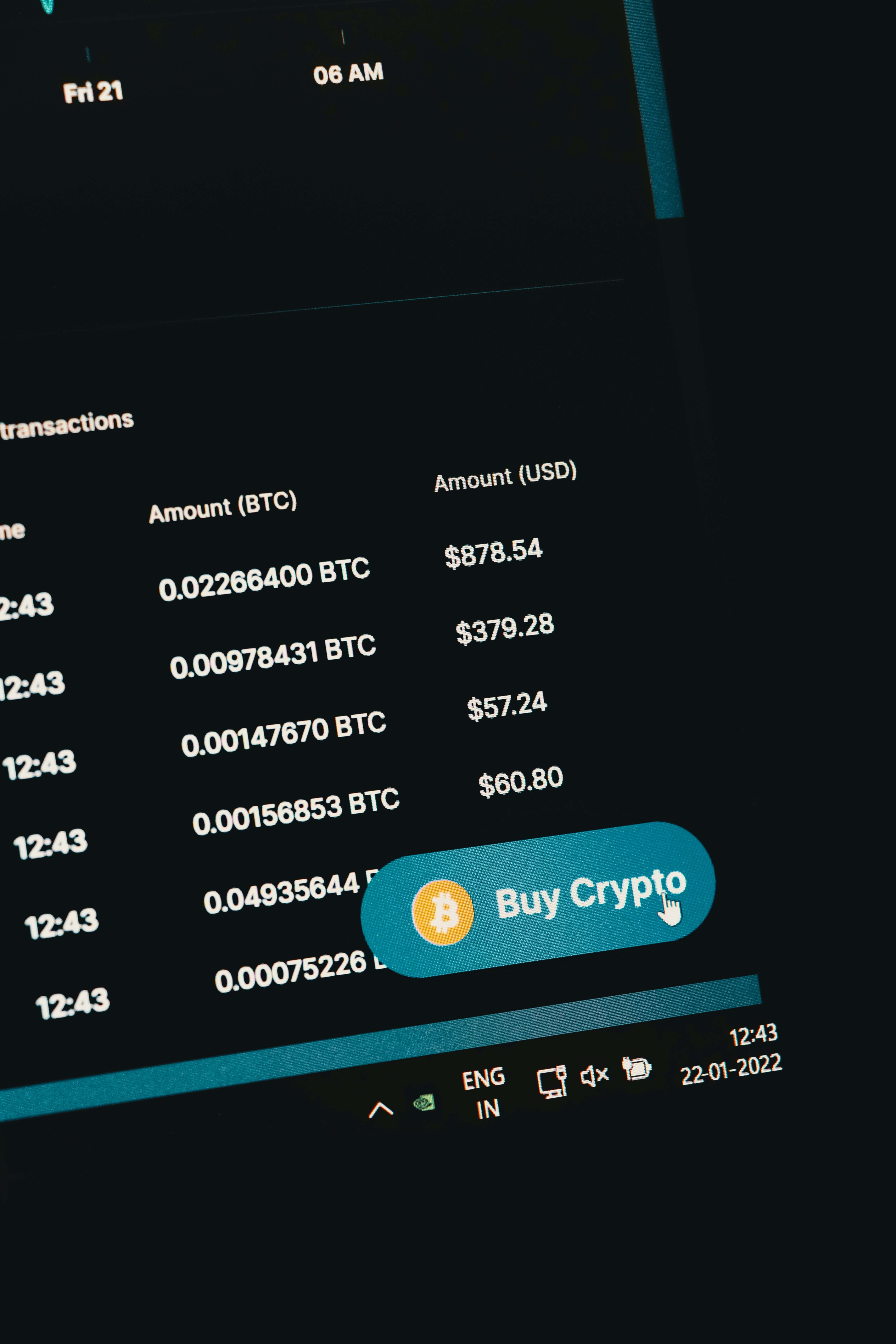
Crypto theft is increasing every year — but so is the sophistication of blockchain forensics. Contrary to what scammers believe, crypto transactions are not invisible. With the right tools, investigators can trace movements across multiple chains, exchanges, mixers, smart contracts, and cross-chain bridges. This guide explains exactly how stolen crypto is tracked in 2025 and how professionals “follow the money.”
Every transaction leaves a permanent digital footprint. Even when criminals use mixers, privacy tools, or complex routing patterns, forensic analysts leverage heuristics, clustering algorithms, and real-time monitoring tools to link wallets, track flows, and identify off-ramps. Below is a full breakdown of how stolen assets are traced from start to finish.
Why Crypto Theft Happens
Stolen funds typically originate from one of these events:
- Investment scams or impersonation schemes
- Phishing links and malicious browser extensions
- Compromised private keys or seed phrases
- SIM-swap attacks leading to exchange access
- Hackers exploiting smart contract vulnerabilities
- Malware stealing clipboard or keystore data
Once the attacker obtains access, they transfer funds into their own wallet and immediately begin attempts to obscure the trail. That’s where forensic tracking begins.
How Blockchain Forensics Traces Stolen Crypto
1. Address Identification & Initial Mapping
The first step is identifying the attacker’s receiving address. Investigators analyze:
- Outgoing transfer logs
- Exchange withdrawal records
- Smart contract interactions
- Known malicious address databases
Once the receiving wallet is identified, analysts begin mapping all connected transactions.
2. Transaction Graph Analysis
Using clustering heuristics and graph visualization tools, experts reconstruct how funds flow across wallets. Even complex laundering paths eventually reveal identifiable behavior patterns.
3. Cross-Chain Tracing
Criminals often move assets between blockchains using bridges or swaps. Modern forensics tools track:
- Bridge entry and exit transactions
- DEX swap routes
- Wrapped asset movements
- Cross-chain signatures and hashes
Even when tokens change form, the underlying transaction lineage remains detectable.
4. Mixer & Privacy Tool De-obfuscation
Mixers (Tornado Cash, ChipMixer, etc.) make tracing harder — but not impossible. Investigators analyze:
- Deposit/withdraw timing correlations
- Withdrawal pattern matching
- Known mixer addresses and smart contract audits
- Off-chain behavior (IP logs, exchange deposits)
Chain analytics companies now provide probability-based linkage models that reconstruct mixer outputs.
5. Exchange & Off-Ramp Monitoring
Scammers eventually try to convert stolen crypto to fiat. Forensics teams monitor:
- Deposits into exchanges
- KYC-linked accounts
- P2P platforms
- OTC desks used by criminals
With the right evidence, law enforcement can freeze or seize funds at this stage.
How Investigators Link Wallets to Real Identities
Analysts use a combination of on-chain and off-chain intelligence:
- Exchange KYC data
- IP logs, device IDs, or geolocation
- Social engineering and communication records
- Behavioral pattern matching
- Known scammer clusters
Most scammers eventually slip up — and one mistake is enough to reveal their identity.
What A Professional Crypto Tracing Engagement Looks Like
Step 1 — Evidence Intake
Users submit wallet addresses, transaction IDs, screenshots, chat logs, and exchange information. This forms the initial data footprint.
Step 2 — Full Transaction Reconstruction
Analysts map all movement of funds, identify laundering paths, and generate a forensic timeline.
Step 3 — Risk Scoring & Attribution
Advanced heuristics classify addresses by risk level and attempt attribution to known entities or threat groups.
Step 4 — Exchange, Bridge & Law Enforcement Coordination
If funds reach identifiable platforms, investigators submit evidence-backed reports to initiate freezes.
Step 5 — Final Forensic Report
A professionally formatted, court-ready report is delivered, detailing all findings and potential recovery avenues.
What You Should Never Do After a Crypto Theft
- Do not confront the scammer — it alerts them.
- Do not move remaining funds without advice.
- Do not trust random “recovery agents” online.
- Do not upload wallet information anywhere unsafe.
Short Case Studies
Case 1 — Funds through Tornado Cash: Analysts identified outgoing exchange deposits with timestamp correlation. Exchange froze assets within 48 hours.
Case 2 — Cross-chain laundering via Polygon Bridge: Funds were traced from ETH → MATIC → a CEX. KYC linkage confirmed the suspect’s real identity.
Estimated Timelines
- Basic tracing: 24–72 hours
- Cross-chain reconstruction: 3–7 days
- Mixer analysis: 1–3 weeks
FAQs — Tracing Stolen Crypto
Q: Can all stolen crypto be traced?
Most of it, yes — visibility depends on mixer use, liquidity paths, and off-ramps.
Q: Can stolen crypto be recovered?
Recovery is possible when funds hit regulated exchanges or identifiable platforms.
Q: Do scammers actually get caught?
Yes. Once funds touch a KYC exchange or linked wallet, exposure becomes likely.
Next Steps — If Your Crypto Was Stolen
Act quickly. Preserve all evidence, avoid communicating with the scammer, and request a professional forensic review. FernsUnique provides transparent tracing, case documentation, and coordinated recovery workflows.

Team FernsUnique
Blockchain Forensics & Recovery Unit